 listicle
How to Find Quirky Graphic Designs for Bold Projects
Last Updated: October 30, 2026
Quick Summary
You can find quirky graphic designs through curated inspiration galleries like Behance, Dribbble, Are.na, It's Nice That, and Fonts In Use, or through community platforms like Reddit, Pinterest, and DeviantArt. Search with odd keyword combinations, sort by newest, and always check the license before downloading.
- Curated galleries show fewer designs but each one earns its spot.
- Build a two-tier swipe file separating style references from concept references.
- Pair a style word with a subject and sort by newest rather than most downloaded.
- Check commercial use, modification rights, and attribution requirements before downloading.
- Color contrast requirements do not need to be met for logos or incidental graphic elements.
Table of Contents
- Why Quirky Graphic Designs Stand Out in a Sea of Sameness
- The Best Graphic Design Inspiration Websites for Offbeat Ideas
- Where to Source Unusual Images for Design Projects
- Quirky Wall Art Ideas to Spark Your Next Project
- How to Choose Unique Wall Art That Fits Your Space
- Licensing and Ethical Use: What to Check Before You Download
- Accessibility and Usability in Playful Design
- Finding Your Next Quirky Graphic Design on Popmakesyousmile
- Frequently Asked Questions
Why Quirky Graphic Designs Stand Out in a Sea of Sameness
Walk through any home decor aisle and you'll see the same three prints on repeat: a minimalist line drawing, a beige abstract blob, a motivational quote in a serif font. The sameness is the problem. When everyone's living room looks like the same catalog page, a quirky graphic design becomes a personality signal, not just decoration. Readers wanting to understand what makes a design stand out can explore this guide on what makes graphic design unique.
This guide from Popmakesyousmile is built for people who want their walls, mugs, and wardrobes to say something. Below, we'll show you exactly where to find quirky graphic designs, how to sort the genuinely original from the mass-produced lookalikes, and what to check before you hang or print anything.
The shift is real. According to Adobe Express design trend reporting, designers are increasingly using exaggerated, playful typography as part of a broader move toward maximalist aesthetics. In practice, that means louder lettering, weirder shapes, and less polish. You can see the same instinct in Amadine's trend notes, which points to unconventional shapes pulled from creative photo cropping, and in broader 2026 graphic design trend coverage that tracks rough textures, asymmetry, and visible grids.
Here's the part most guides get wrong: they hand you a list of giant marketplaces and call it a day. A marketplace with millions of designs isn't a shortcut, it's a haystack. What you actually need is a way to filter for personality. That's what this piece gives you.
The Best Graphic Design Inspiration Websites for Offbeat Ideas
The best graphic design inspiration websites fall into two camps: curated galleries that do the filtering for you, and community platforms where you can search by style, mood, or medium. Start with galleries when you don't know what you want. Start with communities when you do. Below is a working shortlist organized by the kind of quirky work each source is actually good for, the curated-directory angle most roundups skip.
Galleries and Portfolios That Celebrate the Unusual
Curated galleries win on signal-to-noise. A good one shows fewer designs but each one earns its spot. Look for sites that organize by mood or era rather than by "most popular," because popularity tends to reward the safest work.
- Behance, Adobe's portfolio network. Browse its galleries and discipline filters (Illustration, Graphic Design, Packaging) to explore a range of portfolio work.
- Dribbble, shorter, punchier shots, with a range of UI, lettering, and illustration work.
- Are.na, a moodboard-style platform where designers collect references into themed channels.
- It's Nice That, an editorial design publication.
- Fonts In Use, a typography archive.
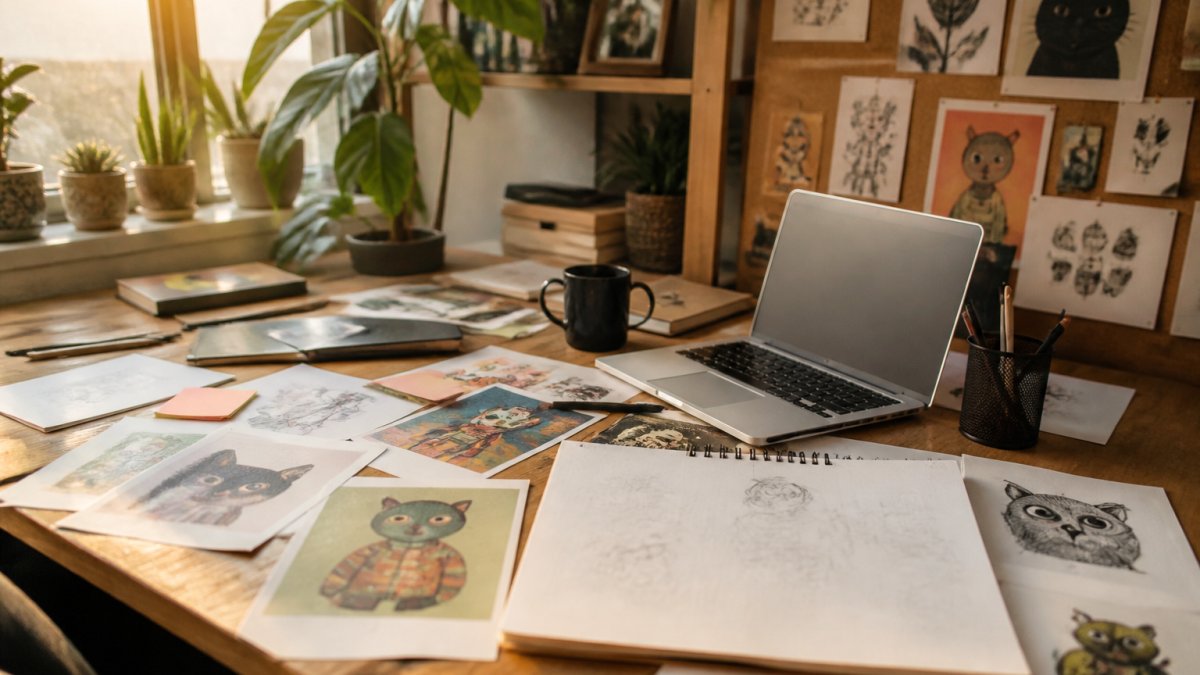
When you browse, keep a swipe file. Screenshot anything that makes you stop scrolling, then note why it stopped you: the color clash, the hand-drawn lettering, the joke in the composition. That note is the seed of your own project.
Community Platforms and Niche Directories
Community platforms offer volume and range, which is useful when you want to see how many illustrators handle the same theme.
- Reddit, subreddits such as r/graphic_design, r/Illustration, and r/Design are places where designers share their work.
- Pinterest, a visual research platform where you can build boards around specific themes.
- DeviantArt, a platform for illustration and fan art.
- Niche directories, smaller, topic-specific collections such as zine archives, risograph print shops, and independent poster collectives.
Where to Source Unusual Images for Design Projects
Sourcing unusual images for design projects comes down to three moves: search with odd keywords, filter aggressively, and check the license before you fall in love with a file. Most people do the first badly and skip the other two.
Search Filters and Keywords That Surface Hidden Gems
Generic search terms return generic results. If you type "funny graphic," you'll get the same top hundred files everyone else sees. Try combinations instead:
- Pair a style word with a subject: "hand-drawn," "risograph," "cut-paper," "collage"
- Add a mood: "absurd," "deadpan," "chaotic," "wonky"
- Search by medium rather than topic: "linocut," "screen print," "marker sketch"
- Use negative filters to strip out stock-photo gloss and corporate illustration
Then sort by newest rather than most downloaded. New uploads haven't been flattened by popularity rankings yet.
Quirky Wall Art Ideas to Spark Your Next Project
Quirky wall art works best when it breaks one rule on purpose. A gallery wall of mismatched frames, a giant print of a ridiculous object, a piece with a caption that lands only on second read. The trick is to commit to the joke rather than half-apologize for it. For more wall art inspiration, see this piece on unique AI graphic patterns for home decor.
A few directions that hold up well:
- The deadpan object print: a single absurd item rendered with total seriousness
- The mismatched grid: six frames, six styles, one shared color thread
- The caption piece: an image that only makes sense once you read the line under it
- The oversize joke: one small, silly image blown up to fill a whole wall
How to Choose Unique Wall Art That Fits Your Space
Choosing unique wall art that fits your space is a matter of matching scale, palette, and energy to the room before you fall for a single piece. A brilliant print in the wrong size looks like a mistake. The right one looks intentional.
Run this checklist before you buy:
- Measure the wall and mark the frame footprint with painter's tape
- Pull two or three colors from the room's existing palette
- Decide the energy: is this a loud room or a quiet one?
- Check the frame depth against doorways and furniture
- Confirm the print resolution holds up at the size you want
If you want a deeper walkthrough, our guide on how to choose unique wall art covers proportion, placement, and pairing in more detail.
Run through these checks before you commit to a piece.
| Check | What to do |
|---|---|
| Wall size | Measure the wall and mark the frame footprint with painter's tape |
| Palette | Pull two or three colors from the room's existing palette |
| Energy | Decide whether the room is a loud one or a quiet one |
| Frame depth | Check frame depth against doorways and furniture |
| Resolution | Confirm the print resolution holds up at the size you want |
Licensing and Ethical Use: What to Check Before You Download
Licensing is where most people get burned. A design you can view is not a design you can print, sell, or put on a product. Before you download anything, find the license terms and read three specific things: commercial use, modification rights, and attribution requirements.
Watch out: "free" and "royalty-free" are not the same thing. A free file may still bar commercial use, and a royalty-free file may still require attribution. Getting this wrong on a product you sell is a real legal exposure, not a technicality.
Originality raises its own questions, especially with AI-assisted work. If you want to understand where AI-generated designs sit on the originality spectrum, our piece on whether AI-generated designs are original digs into it.
Accessibility and Usability in Playful Design
Playful design and accessible design are not opposites, but they do need to be negotiated. The good news: official guidance carves out room for expressive work. As Digital.gov's accessibility guidance notes, color contrast requirements do not need to be met for logos or incidental graphic elements.
That exemption is narrow. Body text, navigation, and anything a reader must parse to use a page still need to be legible. In practice:
- Keep the chaos in the decorative layer, not the functional one
- Test your palette against a contrast checker before you commit
- Don't rely on color alone to carry meaning
- Give type room to breathe, even when the style is loud
The rule of thumb: if a design element is purely ornamental, it can be as weird as you like. If someone has to read it to act, it has to work.
Finding Your Next Quirky Graphic Design on Popmakesyousmile
Here's the honest summary. Big marketplaces give you volume, but volume is not the same as personality. The designs that actually make a room or an outfit feel like you tend to come from a smaller, more opinionated source.
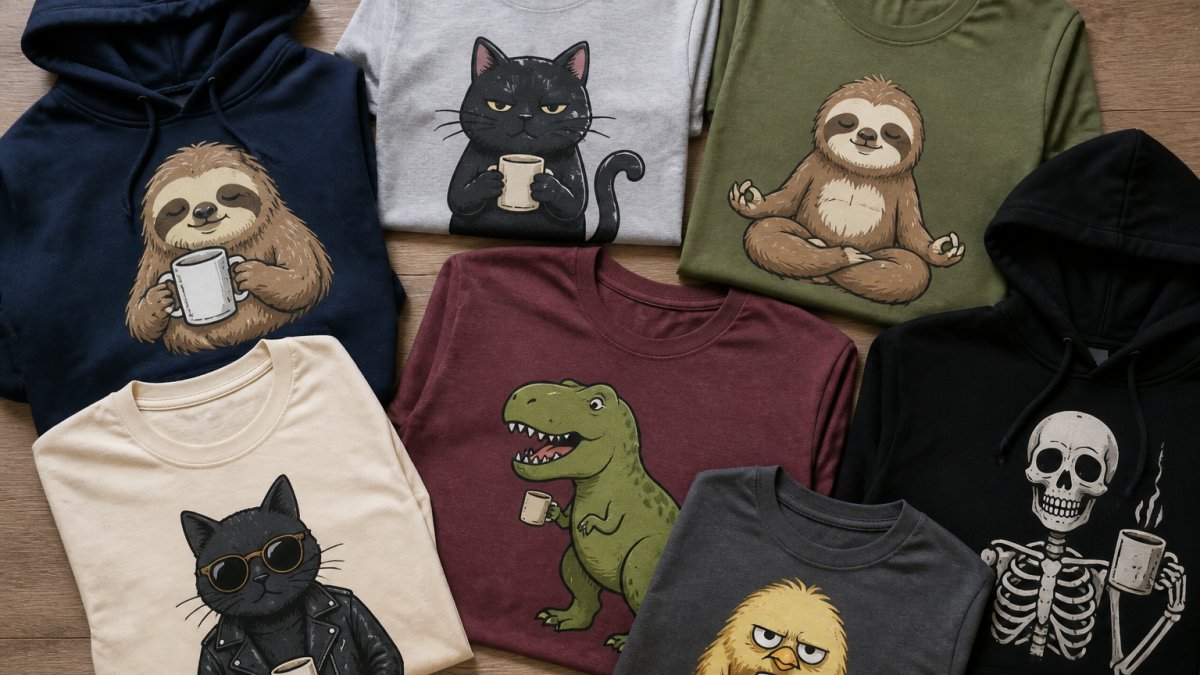
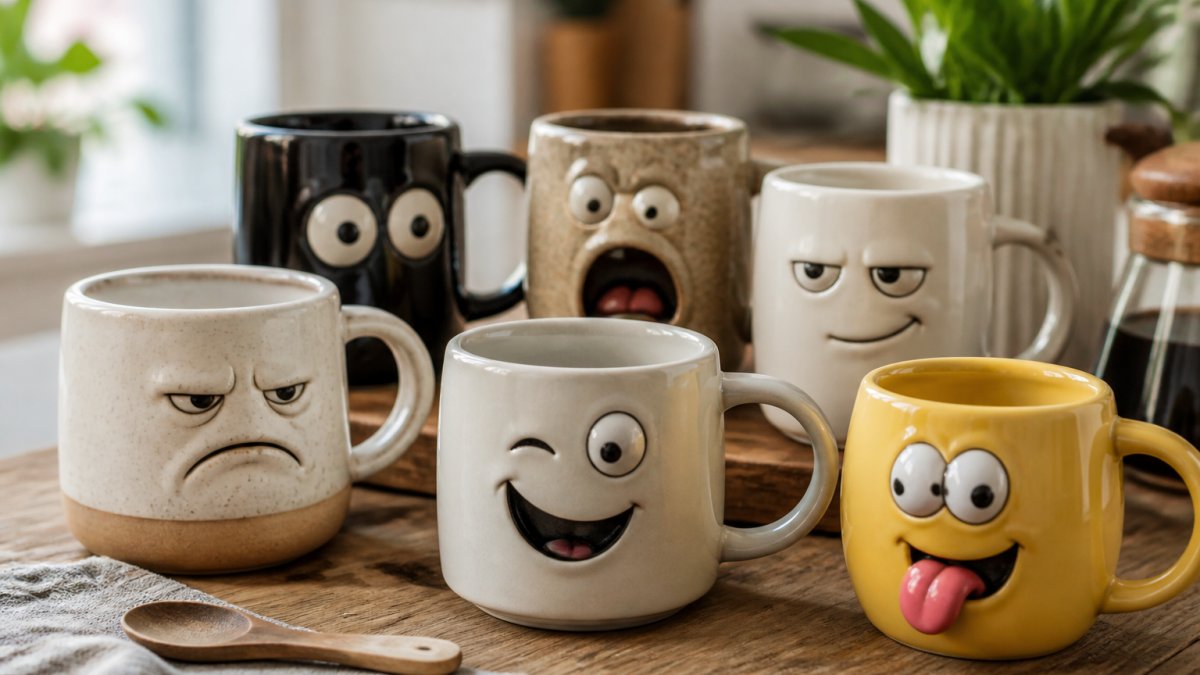
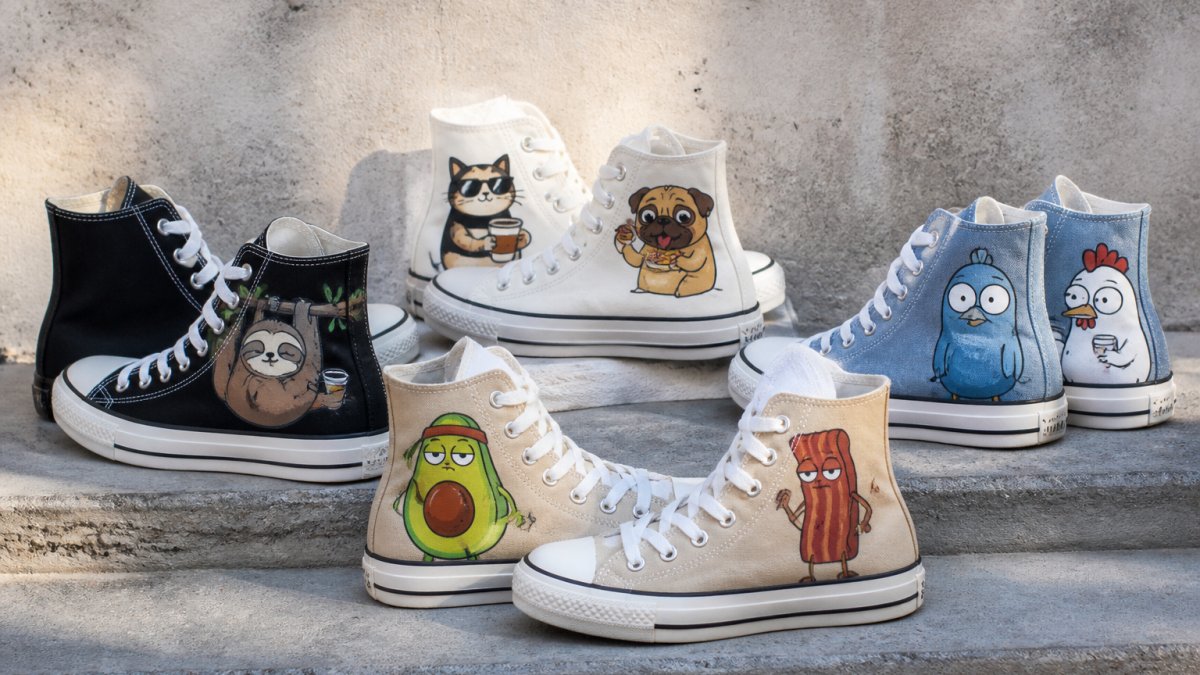
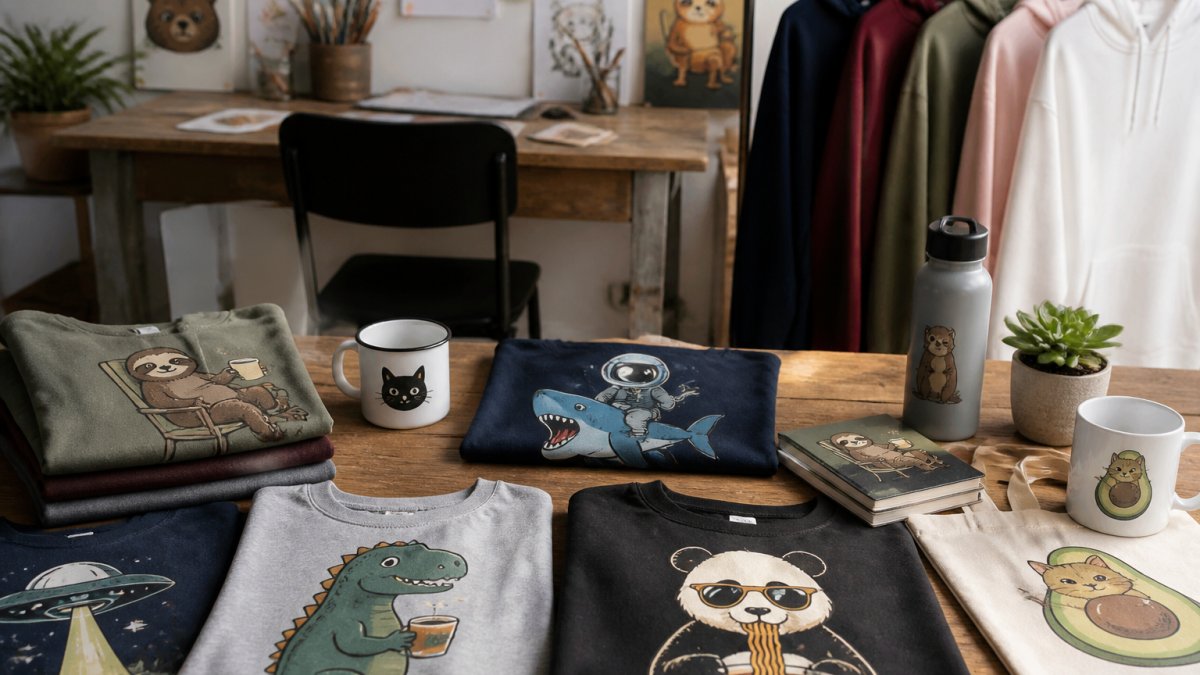
That's the gap Popmakesyousmile was built to fill. Each design is created using AI tools to bring humorous, expressive graphics to life, then made to order across apparel, accessories, home decor, and novelty items.
If you've been burned by print-on-demand quality before, that's a fair concern.
Ready to stop scrolling and start finding? Browse our unique graphic design gift ideas for creatives, or explore the full shop and pick the piece that makes you grin.
Frequently Asked Questions
Where can I find quirky graphic designs online?
Start with inspiration galleries and portfolio sites like Behance and Dribbble, then browse niche directories and independent designer marketplaces. For ready-to-buy products, Popmakesyousmile offers AI-generated quirky graphic designs on apparel, mugs, and home decor. Always check licensing terms before using any design in your own projects.
What makes a graphic design style quirky?
Quirky design often blends playful typography, unexpected color combinations, asymmetrical layouts, and hand-drawn or imperfect elements. It breaks conventional rules intentionally to feel fresh and expressive. Trends like maximalist chaos and 90s nostalgia are pushing more designers toward this distinctive look, which helps brands and individuals stand out from mass-produced visuals.
How do I choose unique wall art for my home?
Consider your room's color palette, scale, and lighting. Pick one statement piece or build a gallery wall with varied frame sizes. Mix quirky illustrations with photography or abstract prints to keep it personal. Before buying, check the product details carefully to make sure the print quality matches your expectations, especially for made-to-order items.
Can I use quirky graphic designs from the internet commercially?
Only if the license explicitly allows it. Many inspiration sites display work for reference only, while stock platforms and marketplaces state commercial-use terms clearly. Look for Creative Commons or royalty-free licenses, and always credit the creator when required. When in doubt, contact the designer directly to ask for permission before using their work in products or marketing.
The real challenge isn't finding quirky graphic designs. It's finding ones that feel like yours instead of everyone else's. Popmakesyousmile exists for exactly that: AI-created designs with actual attitude, printed to order on mugs, tees, hoodies, and home decor, so the thing you hang or wear doesn't look like it came off a conveyor belt. Get started with Popmakesyousmile and find the design that finally sounds like you.